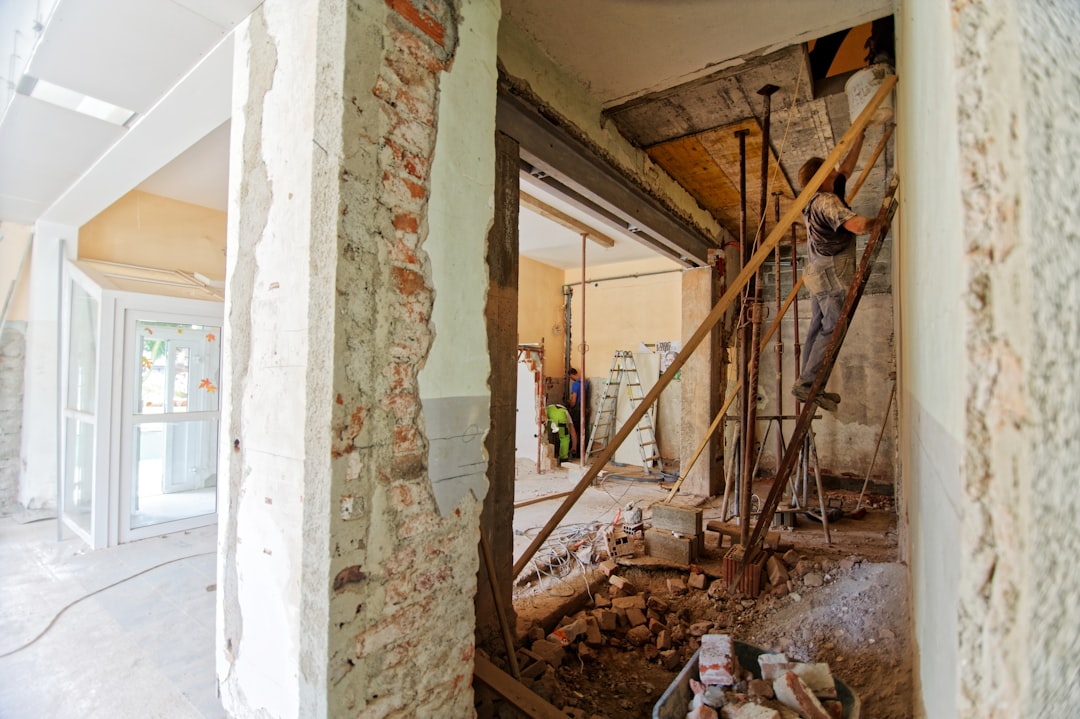
Michigan is remodeling faster than it is building — and that gap has been widening for several years. Nationally, renovation spending has outpaced new residential construction activity in a number of key metrics, but Michigan has emerged as one of the states where the divergence is sharpest. Understanding why that’s happening, and what it means for anyone planning a project there, requires looking at the specific conditions driving the shift rather than treating it as a generic “home improvement is up” headline.
The Structural Reason Renovations Beat New Construction Here
Michigan’s housing stock skews old. A significant portion of owner-occupied homes in the state were built before 1980, with dense concentrations of pre-WWII housing in Detroit, Flint, Grand Rapids, and Lansing. Older housing stock needs more maintenance by definition — roofs, mechanical systems, windows, and foundations all have finite service lives — but it also presents a specific opportunity. In markets where new construction costs have climbed steeply (verify current per-square-foot build costs with a local contractor, as these shift with materials and labor availability), renovating an existing structure with solid bones often pencils out better than buying or building new.
The math is not purely financial. Zoning, lot availability, and permitting timelines for new construction remain friction points in many Michigan municipalities. Renovating within the existing footprint sidesteps most of that friction entirely.
What Homeowners Are Actually Spending On
Nationally, kitchen and bathroom projects have consistently led renovation spending totals, and Michigan follows that pattern — but there are some notable differences in how projects are scoped here compared to coastal metros.
Michigan renovators tend to run larger projects in envelope-adjacent categories: insulation upgrades, window replacements, mechanical system overhauls (furnaces, water heaters, electrical panel upgrades). The reasoning is practical: heating costs in a Great Lakes winter are not abstract, and a house with a 30-year-old furnace and original single-pane windows is hemorrhaging money every January. These projects are less photogenic than a kitchen redo but often deliver faster payback on a cold-climate energy bill.
That said, kitchen projects are climbing here as well. The pattern we see in renovation forums and contractor reports is consistent with what you’d observe anywhere: homeowners who deferred a kitchen update through the 2020–2022 supply-chain chaos are now moving forward, often combining cosmetic and functional upgrades in a single pass. Even a modest scope — new cabinet fronts, updated hardware, a tile backsplash — can substantially change a working kitchen without structural work. For a practical approach to that kind of targeted update, a builder-grade kitchen backsplash upgrade is worth reviewing as a model for keeping scope tight.
Financing the Work: What’s Changed and What Hasn’t
Renovation spending increases don’t happen in a vacuum. They follow financing conditions closely. When mortgage rates make moving expensive — higher rates mean fewer homeowners trading up, because the new mortgage on a replacement property would cost significantly more per month — money that might have gone toward a down payment instead goes into the current house.
Michigan homeowners sitting on meaningful equity accumulated over the past several years have a few primary options for tapping it: home equity lines of credit (HELOCs), cash-out refinancing, and unsecured personal loans. Each has a different risk profile and cost structure. Our comparison of credit card versus HELOC financing for home improvement covers the decision framework in detail, but the short version is this: for projects over roughly $10,000, a HELOC typically carries a lower interest rate than unsecured options, though variable-rate HELOCs carry their own risk in a shifting rate environment. Confirm current rates directly with lenders — they move, and any figure we’d print here would be stale within months.
One financing dynamic worth flagging specifically for Michigan: energy-efficiency upgrade projects may qualify for federal tax credits under current law (the Inflation Reduction Act’s residential energy credit provisions), as well as utility-specific rebate programs through DTE Energy and Consumers Energy. These can meaningfully reduce the net cost of HVAC replacements, insulation, and window upgrades — verify current eligibility with a tax professional and check utility websites for rebate availability before finalizing project scope.
Planning the Project: Where Most Budgets Go Wrong
The single most consistent source of budget overruns in renovation projects — Michigan or elsewhere — is underdocumented existing conditions. You cannot plan a kitchen layout refresh accurately if you don’t know where the plumbing rough-in actually sits, whether the subfloor is level, or whether that wall you want to open contains a load-bearing member. Run a laser measure through the space and record actual dimensions before any vendor quotes you material quantities. Floor plan apps that estimate from photos will often be off by 3–5% on room dimensions, which compounds when you’re calculating tile square footage, cabinet runs, or flooring material orders.
The second budget problem is scope creep driven by discovery. Open a wall in a 1960s Michigan ranch house and there’s a reasonable chance you’ll find knob-and-tube wiring, undersized insulation, or moisture damage around window frames that weren’t visible from the room side. Experienced local contractors build a contingency into bids for exactly this reason — typically 10–15% of project cost, though verify what your specific contractor recommends based on the age and condition of your home. If a bid comes in without any contingency language, ask about it directly.
A Practical Pre-Project Checklist
Before committing budget to any renovation project, work through these steps:
- Document existing dimensions. Laser measure every surface you plan to change, not just the room overall.
- Pull permit history. Michigan county records are searchable; knowing what previous permits were pulled (and whether they were closed out) tells you a lot about prior work quality.
- Get three quotes, not one. Labor markets in Michigan vary significantly by region — Grand Rapids and metro Detroit have different contractor availability and pricing.
- Identify long-lead items first. Custom cabinetry, specialty windows, and certain appliances can carry 8–14 week lead times (confirm with current vendor timelines). Order before demolition, not after.
- Check energy incentive eligibility. Utility rebate programs and federal tax credits can shift the cost basis on mechanical upgrades meaningfully.
- Set a scope freeze date. Changes after demolition begins are expensive. Decide on finishes before the first tool swings.
What the Spending Surge Signals for the Near Term
Renovation activity at scale tends to lag housing market softness by 12–24 months — homeowners typically exhaust the option to move before they commit to major renovation investment. If that pattern holds in Michigan, the current surge suggests a population of homeowners who have effectively decided, or been priced into deciding, that the house they’re in is the house they’ll stay in for the foreseeable future.
That’s not a pessimistic framing. It means renovation investment in Michigan is driven by genuine long-term commitment to a property rather than a quick flip. Projects scoped for durability and energy performance rather than cosmetic appeal for resale tend to be better-executed and better-suited to the climate.
Wherever your Michigan project sits on the scale — a targeted kitchen color refresh or a full mechanical overhaul — start by getting actual measurements in hand and current contractor quotes before you set a budget. The spending environment right now means contractors are busy; early engagement with a short list of vetted local contractors will do more for your timeline than any amount of planning-stage optimization.